
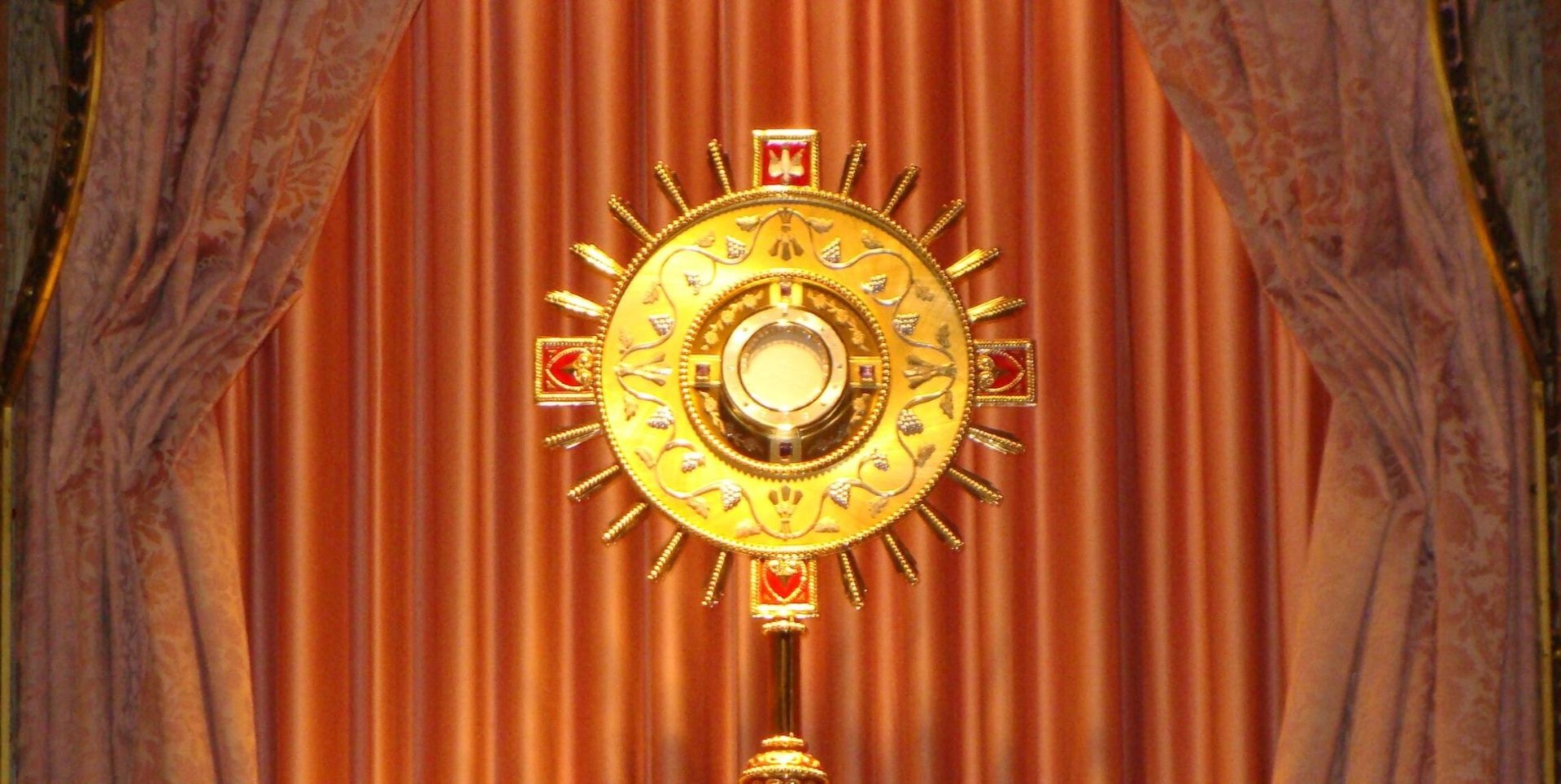
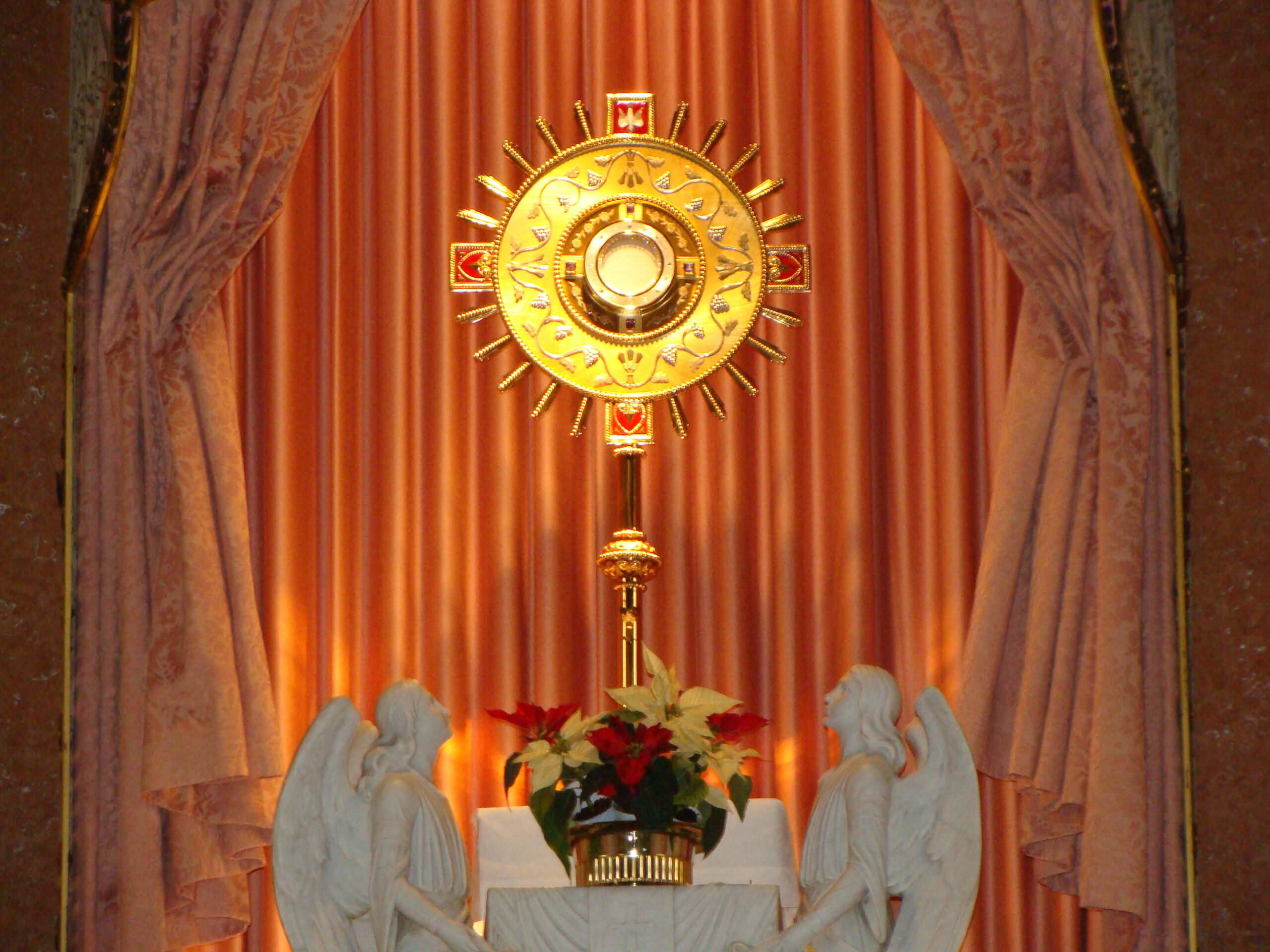
Church treasures the adoration of the Eucharist outside of Mass, recognizing its profound importance for the spiritual life of the faithful. This form of worship is inseparably tied to the Eucharistic Celebration itself. Christ remains truly present in the consecrated hosts and the Precious Blood for as long as their outward forms endure, and this abiding presence flows from the sacrifice of the Mass and points us toward deeper sacramental and spiritual communion with him.
To linger before the Lord in the Blessed Sacrament is a grace. It allows us to rest near his heart, as John did at the Last Supper (cf. Jn 13:25), and to be touched by the boundless love that radiates from him. If our age is called to rediscover the “art of prayer,” then how could we not feel drawn to quiet moments of contemplation, silent reverence, and sincere devotion before Jesus, who waits for us in the Eucharist? Many times I myself have found in such moments strength, comfort, and renewed courage.
The tradition of Eucharistic adoration, long upheld and commended by the Church’s Magisterium, shines in the lives of the saints. Among them, Saint Alphonsus Liguori stands out. He wrote that among all devotions, adoring Jesus in the Blessed Sacrament is the greatest after the sacraments themselves, most pleasing to God and most beneficial for us. The Eucharist is a treasure beyond calculation; by approaching it not only during the Mass but also in personal prayer, we draw directly from the fountain of divine grace.
For this reason, the faithful are encouraged to visit the Blessed Sacrament throughout the day whenever possible. According to liturgical norms, the Eucharist should be reserved in church with the highest honor in a place of prominence. These visits express gratitude, deepen love, and acknowledge the abiding presence of the Lord among his people.